Root canal or extraction — which is better?
When a tooth is badly infected or damaged, it often comes down to two paths: save it with root canal treatment, or remove it. Here's how the two compare.
The case for saving the tooth
Nothing performs quite like your own tooth. Keeping it maintains your natural bite, keeps neighbouring teeth stable, and avoids the gap that an extraction leaves. Done well, modern root canal treatment is predictable, and a well-treated tooth can last many years.
Before treatment
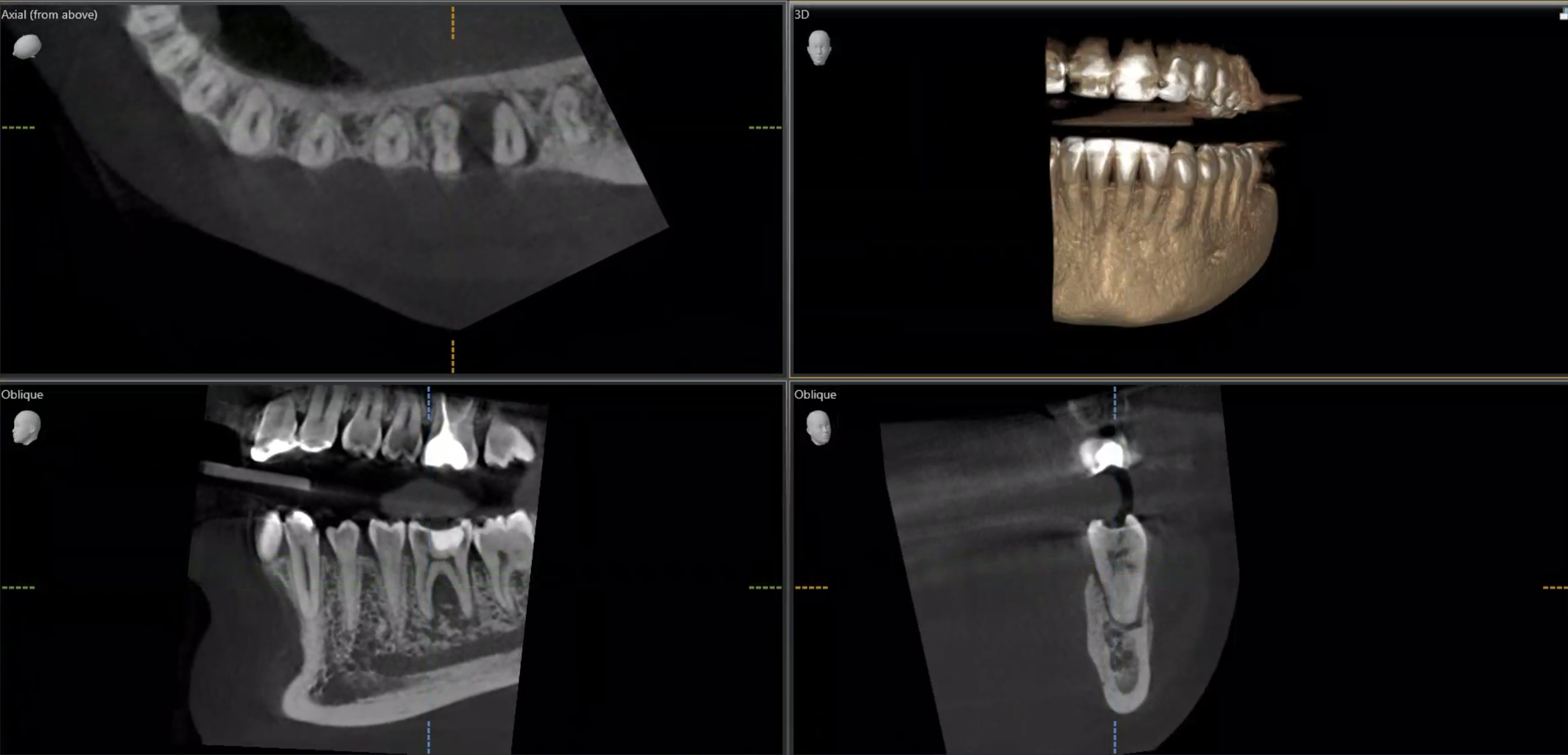
After treatment
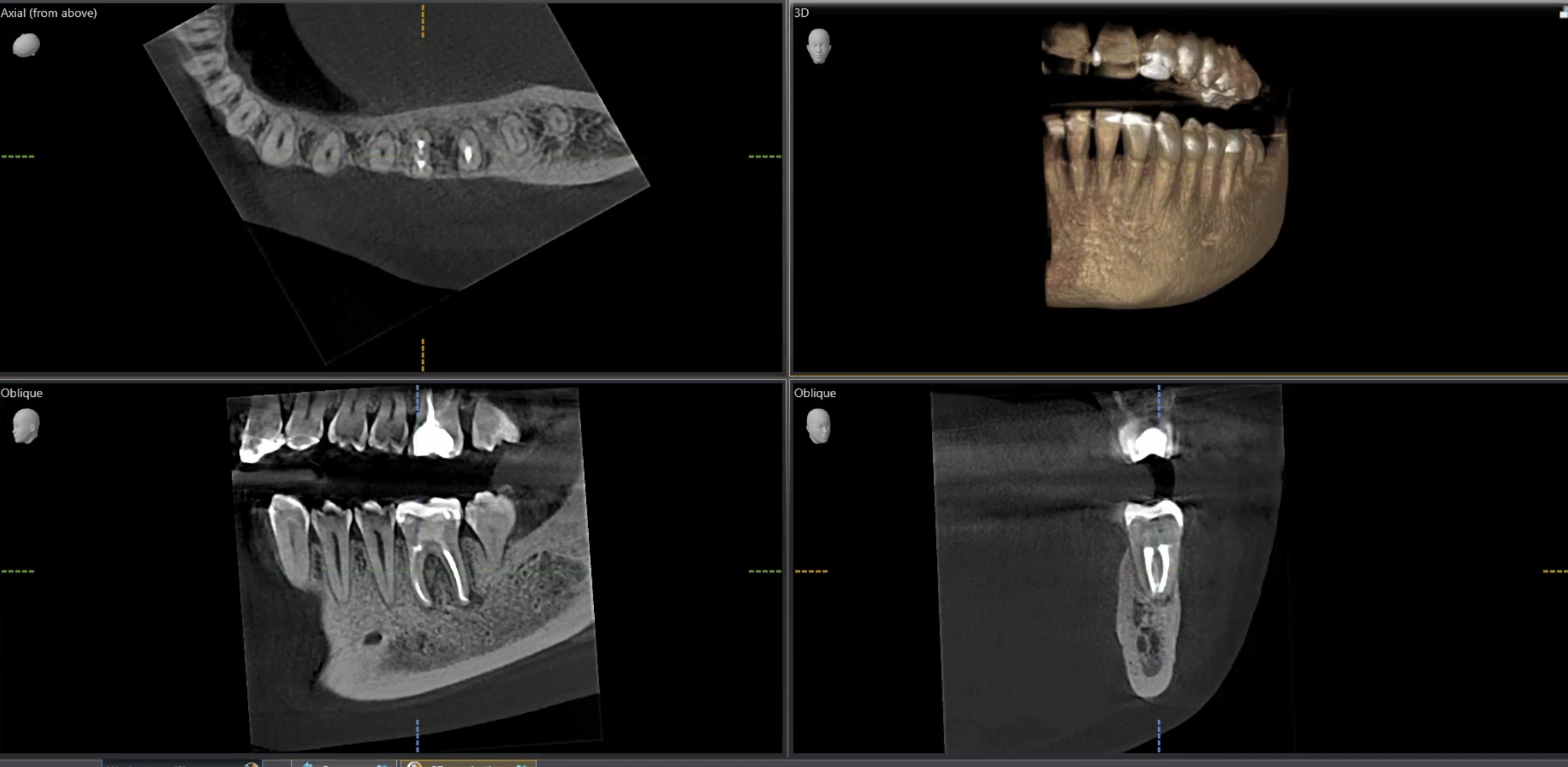
An example of periapical healing and bone recovery following root canal treatment. Individual results vary.
When extraction is the right call
Sometimes a tooth is too broken down, cracked or unrestorable to save predictably, and removing it is the sensible option. I'll always tell you honestly when that's the case, rather than treat a tooth that won't last.
What happens after an extraction
A gap left as it is can allow other teeth to drift over time. Replacing the tooth usually means a dental implant or a bridge — both can restore function well, but they take more time, cost more over the long run, and never quite match the original.
Weighing cost and longevity
Because of that, saving a tooth is often the more economical choice over time, not just the more conservative one. It's worth looking at the whole picture, not only the cost of the first appointment.
An honest assessment
The right answer depends on your particular tooth. I'll give you a straight view of the prognosis either way — including when extraction genuinely is the better option — so you can decide with the full picture.
Get in touch